
Home is where we all belong
We all deserve to feel secure and happy in our homes. Our unique service for tenants ranges from interior design tips to assistance with benefits, financial management, energy-saving advice and social activities to tackle social isolation.



Tenant FAQ
Once you’ve found the home for you, we’ll guide you through the application process. We’ll then work with the landlord to confirm your requirements. If your application is successful, we’ll provide you with a clear rundown of all the move-in arrangements. On your move-in day, we'll be here to answer any questions and help everything go smoothly.
We take a person-centred approach to tenancy support, assessing your needs at the beginning of your tenancy. This helps us personalise our help to boost your stability and success. Our Tenancy Support Officer is here to talk whenever you need. If your situation changes or you need help during your tenancy, just reach out to our office for a chat.
Paid monthly unless otherwise agreed upon. We can also help you to access the benefits you are entitled to.
Four weeks' rent – protected by the Tenancy Deposit Scheme.
Don't hesitate to contact us to report any repairs. Our friendly and knowledgeable Repairs and Maintenance Team will work towards the best solution.


I really like Homes for Good’s philosophy of caring for people and providing affordable homes. It seems everybody who works there is a caring person. And they’ve been doing it for more than ten years – it’s not a flash in the pan.

- Annie, Homes for Good tenant

Tenant How To Guides
Please consult our guides for tips on enjoying a safe and happy tenancy. We’re always here if you need more information, so please contact us if you need more advice or assistance

FAQs About Your Move-In
1. What do I do about my utilities and council tax?
Can I switch my gas and electricity provider? Before you move in, we will take the latest meter readings and notify gas and electricity providers, as well as the council. They usually reply within 14 working days. If you have any issues with your utilities or want to switch providers, please get in touch with us at rentme@homesforgood.org.uk.
2. How do I report an emergency repair when the office is closed?
To report an out-of-hours emergency repair, call 0141 442 0085 between 5pm and 9am. On your move-in day, you will receive a move-in pack that includes important information on handling and reporting household repairs.
3. I don’t know how to use my boiler. Can you help?
Absolutely. We can provide boiler manuals on request. Please contact us or refer to our Boiler Issues How To Guide.
4. Where does my deposit go?
Your deposit is lodged with SafeDeposits Scotland (SDS). You will receive a certificate with your unique deposit account number so that you can view your deposit. For more information about Tenancy Deposit Schemes and SDS, please click on the SafeDeposits Scotland section in out How To Guide.
5. When do I receive my inventory?
Your inventory will be sent for your electronic signature on the day you move into your property. Once it is received, you have seven days to review, sign, date, and add any comments. Any comments will be considered or acted upon depending on what is noted.
6. Who do I contact about general issues with my tenancy?
Your Property Officer or Tenancy Support Officer will answer any questions you have and keep in touch with you. They are always more than happy to help.

Energy Efficiency
You don’t need to make major changes to your home to make it warmer and more energy efficient. Small improvements can boost comfort, lower bills and help prevent damp and mould. Home Energy Scotland is also a source of valuable energy-saving information: www.homeenergyscotland.org
1. Check your home:
Look for gaps around doors, windows, floors, and pipes where heat can escape. Even small gaps can cause heat loss and make you feel more uncomfortable. Make a simple plan for safe improvements you can make. Always check with us before making any big changes to your home, including sealing gaps around pipes or floorboards or installing insulation.
2. Stop draughts:
Consider using draught excluders under doors, letterbox and keyhole covers and thermal curtains. Close your curtains when it gets dark outside and make sure they don’t block your radiators. Secondary glazing film can also help. Contact us before fitting brush strips, foam weatherstripping, silicone sealant or secondary glazing panels.
3. Floors and walls:
Place heavy rugs on bare floors. Keep beds and sofas slightly away from exterior walls to improve airflow and reduce the risk of condensation. Reflective radiator panels can help push heat back into the room. Speak to us before carrying out any wall or floor insulation work.
4. Efficient heating:
Lowering your thermostat by 1°C can reduce your bills. Steady, low-level heating often works better than short bursts, especially in colder weather. Contact us before installing smart controls or radiator valves.
5. Prevent condensation:
Ventilate your home every day – it still needs ventilation, even in winter. Open your windows for 10 minutes after cooking or showering and use a lid on your pans when cooking. Always dry your clothes in a well-ventilated space and consider using a dehumidifier.
6. Appliances and lighting:
Switch to LED bulbs and switch off standby appliances. Run washing machines and dishwashers with full loads at 30°C or on eco settings. Keep fridges at 3–5°C and defrost regularly. When using your kettle, boil only the water you need.

Awaab’s Law: A Tenant Guide
Awaab’s Law is named after Awaab Ishak, a two-year-old boy who died in 2020 from a lung condition caused by long-term exposure to mould in his home. His family had reported the mould many times, but no effective action was taken. Awaab’s Law exists to stop something like this from happening again. It’s designed to make sure landlords take reports of hazards – such as damp and mould – seriously and fix them quickly.
1. What Awaab’s Law covers:
Awaab’s Law sets clear legal duties and strict deadlines for landlords to investigate and fix serious damp, mould and other emergency hazards in the home. At Homes for Good, we are fully committed to upholding these standards and act quickly on any issues to make sure that your home is a safe and healthy place to live, and that your health and safety is our top priority.
2. A quick response:
Emergency hazards, such as dangerous electrical faults, major leaks and insecure doors and windows, must be investigated and made safe within 24 hours. Significant damp and mould problems must be investigated within 10 working days and made safe within a further five working days. If the property cannot be made safe within these timeframes, your landlord must provide suitable alternative accommodation until the repairs are completed.
3. Clear communication:
Once you report a problem, your landlord must keep you updated. After investigating, they must send you a written summary within three working days, explaining what action will be taken and confirming whether the issue is covered by Awaab’s Law.
4. What you must do:
When you report a hazard in your home, please include as much detail as possible in writing, including how the issue is affecting you. If you can, provide photos or videos. Keep a record of what you reported and when you reported it. Please allow reasonable access for inspections and repairs. We’ll offer flexible appointment times and explain why we need access.
5. If you’re not satisfied:
If repairs are not completed within the legal timeframes, contact us to raise a formal complaint. If you remain unhappy with the response, you can escalate your case to the Housing Ombudsman. You may also consider the Pre-Action Protocol for Housing Conditions Claims.
6. A proper fix:
We want to stress that, under Awaab’s Law, landlords must address the underlying cause of damp and mould, not simply clean or repaint over the problem. For more detailed guidance, visit the official government advice here: www.tinyurl.com/awaabslawHFG
Preventing Condensation
1. Furniture:
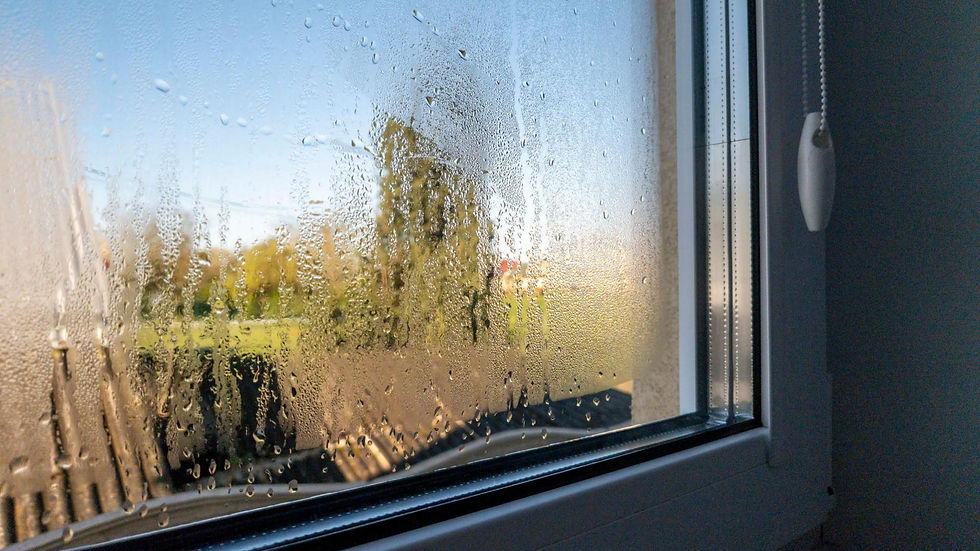
Condensation can lead to damp and mould if not managed properly. Keep your furniture and large items 2–3 inches away from external walls so air can flow around them. Keep the space under beds clear to allow air to move freely.
2. Fresh air:
Scotland isn’t always blessed with the best weather, but on dry and sunny days, let fresh air into your home. Open windows or use trickle vents if fitted. Pull curtains back so fresh air can circulate properly around windows.
3. Moisture control:
Cooking, showering and bathing create a lot of moisture. Keep kitchen and bathroom doors closed while using them and always switch on extractor fans. This prevents warm, damp air from spreading to cooler parts of your home.
4. Heating:
Keeping a steady temperature in your home (ideally 18°C–21°C). Consistent heating helps reduce condensation by keeping surfaces warmer. Dry, well-ventilated air is also cheaper to heat than damp air.
5. Drying clothes:
If drying laundry indoors, do so in the kitchen or bathroom where extractor fans are available. Run the fan while clothes are drying to remove excess moisture. Avoid using small gas heaters, as they add moisture to the air. If possible, use a dehumidifier.
6. Mould:
If mould appears, clean the affected areas with a mould-removal spray. Take care to protect skin, children, pets and fabrics. After cleaning, continue to ventilate and heat your home properly. If condensation problems continue after following these steps, please contact us. We can investigate further and arrange specialist advice if needed.

Heating and Power
1. Check you have credit on your meter:
If you have a prepayment meter, make sure you have enough credit. Top up if needed and allow a few minutes for the supply to reconnect.
2. Check your trip switches:
If your heating or power stops suddenly, check your fuse box. A tripped switch may have cut the supply. Turn off appliances or heaters, reset the switch, then turn each item back on one at a time. If the switch trips again, the last item switched on may be faulty.
3. Storage heater tips:
Storage heaters must be turned on overnight to store heat for the next day. Make sure vents are not covered by clothing or furniture, as this can affect the thermostat and performance.
4. Central heating issues:
Check meter credit and ensure boiler pressure is between 1 and 1.5 bar. To reset the boiler: turn it off using the controls (not the plug), wait 30 seconds, then press RESET before turning it back on. Refer to your move-in folder for guidance on topping up your boiler, or click here. If in any doubt, please contact us.
5. No power:
Check whether your street lights are off; it could be a local power outage. Call 105 to be connected to your local electricity network operator, or 0800 092 9290 for SP Energy Networks. If it’s not a blackout, unplug appliances and reset the trip switches as described above.
6. Report faults:
If a faulty appliance belongs to your landlord, email fixme@homesforgood.org.uk or call 0141 406 1830 (Option 2). For urgent out-of-hours emergencies, call 0141 442 0085. If you’re unsure about anything, contact us before attempting any repairs. Your safety comes first.

Debt and Benefits Support
Your tenancy support officer will always be on hand to give you advice about managing your finances and accessing the benefits you are entitled to. We will work with you to ensure a long and happy tenancy. There are also many services that provide free advice on benefits and money matters.
1. Citizen Advice Scotland is part of Scotland’s largest independent advice network.
Their website offers comprehensive guidance on accessing help and directs you to your local Citizens Advice Bureau for direct support. Citizens Advice Bureaus provide free, confidential and impartial advice on debt, benefits, housing and employment. They can also help you understand your rights, challenge decisions and negotiate with creditors. www.cas.org.uk
2. StepChange is a debt charity that helps thousands of people become debt-free each year.
Their free debt advice and support service provides clear, straightforward and tailored help. Their free, non-judgemental advice and support can help with budgeting, repayment plans, and debt solutions, including the Debt Arrangement Scheme. www.stepchange.org
3. National Debtline is a charity that provides free, unbiased debt advice.
National Debtline’s advice can help you create a budget, better understand how to maximise your income and find the right debt solution for you. You can access support via webchat, by phone or through the online budgeting tools and information. www.nationaldebtline.org
4. Social Security Scotland is the Scottish Government agency responsible for managing and distributing devolved social security benefits, including disability payments, carers’ allowances and support for low-income families.
Their website provides information on application procedures, eligibility criteria and payments, including for family, disability, carer and heating benefits. www.socialsecurity.gov.scot
5. Shelter Scotland is a leading housing and homelessness charity that provides a range of advice and information for tenants on repairs, rent arrears, your rights, housing costs, and money help, particularly when debt issues increase the risk of a tenant losing their home. www.scotland.shelter.org.uk
How to Bleed a Radiator
1. Check if your radiator needs to be bled:
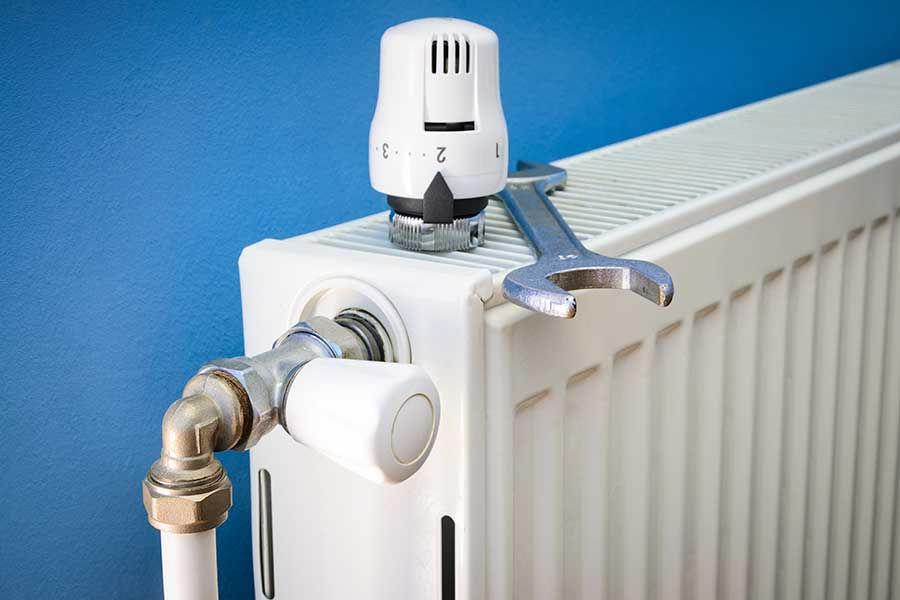
Turn on your heating and wait for the radiator to heat up. If the top and bottom are warm, it doesn’t need bleeding. If only the bottom is warm, or if you hear gurgling noises or it takes too long to warm up, air might be trapped inside. To fix this, bleed the radiator to release the air so it heats more efficiently.
2. Before you start:
You MUST turn off the heating before bleeding your radiator and wait for it to cool completely. To do the job, you’ll need a radiator bleed key (or a flathead screwdriver, depending on the radiator), a cloth, an old towel and a container to collect the water.
3. Protect the surrounding area:
Find the bleed valve, usually at the top corner of the radiator. Place a towel and a container on the floor beneath it to catch any leaking water and protect your floor and carpet.
4. Release the pressure:
Use your radiator key or screwdriver to gently turn the bleed valve anti-clockwise to open it. If it's hard to turn, use a cloth for a better grip. Turn slowly until you hear air hissing out. When the hissing stops and water flows, close the valve by turning clockwise. Don't over-tighten.
5. Check the result:
Clean up excess water and turn on the heating to check whether the radiator heats evenly.
6. Next steps:
After bleeding your radiators, it is a good idea to check your boiler pressure, as it may drop during the process. Click HERE for information on how to do this. If water leaks heavily, the valve won’t turn, many radiators are cold, or you’re unsure, stop what you are doing and call us. If you have any problems at any stage of this process, please call us on 0141 406 1830 (Option 2). We are always here to help.

Fire Safety
We all need to be aware of fire safety in our homes. As a tenant, it’s important to understand what safety measures must be in place within your home, what your landlord is responsible for and what you can do to reduce fire risks.
1. Your safety is our priority:
We are fully committed to meeting all current fire safety legislation. Before you move in, we ensure all required alarms are correctly installed, tested and in full working order. We also check alarms during routine property inspections and arrange quick repairs or replacements where required.
2. Fire & Smoke Alarms:
Every home must have:
• One smoke alarm in the living room
• One smoke alarm in every hallway or landing
• One heat alarm in the kitchen
All alarms must be installed on the ceiling and interlinked. This means if one alarm sounds, they all sound, so you will always hear the warning wherever you are in your home. Please test your alarms every month using the test button. If you experience any issues, please report them to us immediately so we can ensure your home remains protected.
3. Carbon Monoxide Protection:
If your home has a fuel-burning appliance (such as a boiler or gas fire), there must be a carbon monoxide detector in that room. It does not need to be interlinked. We are responsible for providing and maintaining all alarms and detectors. Boilers and related appliances are serviced regularly by qualified engineers to ensure they operate safely and efficiently. I
f you smell gas or your carbon monoxide detector beeps:
• Open all windows
• Do NOT use electrical switches or naked flames
• Leave the property
• Call the National Gas Emergency Service on 0800 111 999 immediately
4. Furniture:
All furniture provided will be fire-resistant and carry a fire safety label. We do not allow unsafe furnishings and will replace any item that does not meet the required standards.
5. Prevent household fires by:
• Unplugging appliances when they’re not in use
• Avoiding overloading plug sockets or adaptors
• Keeping heaters clear of clothing or towels
• Never smoking in bed
6. Fire escape: Make sure everyone in your household knows the escape route in case of an emergency. Keep exits and hallways clear at all times. Keep house keys somewhere easy to find and make sure everyone knows where they are.
If a fire starts:
• Get out and stay out
• Close doors and windows behind you if safe to do so
• Do not collect belongings •
Call 999 immediately and wait outside for the fire service
7. Alarm Maintenance: Do not tamper with or remove alarms – they are essential for your safety.
If a smoke alarm is beeping:
• Replace the battery with a rectangular 9V battery.
• If the alarm is a sealed unit, contact us
• For carbon monoxide detector issues, contact us so we can arrange a replacement
If you have any concerns about fire safety in your home, please get in touch with us straight away. We will always act quickly where a risk to health and safety is identified.

Anti-Social Behaviour
1. Let Us Know:
We want you to have a safe, happy tenancy. Anti-social behaviour from neighbours or in the community can threaten this. It includes behaviour that causes alarm or distress, such as noise, litter, graffiti, harassment or intimidation. None of this is OK. Please report it so we can help resolve the issue.
2. Write down what is happening:
Keep a note of any anti-social behaviour, including dates, times, people involved and details of each incident. Photos can also be helpful if it is safe to take them. This information can help us and the relevant authorities get to the bottom of the problem and ultimately resolve it.
3. Talk to your neighbours:
If you feel safe and comfortable doing so, talk to your neighbours or the person responsible for the behaviour. Face-to-face contact, texts, notes or letters can resolve the situation or help you reach a compromise. If you think this may escalate the situation, please consider other options.
4. Contact the police:
If the situation worsens, you feel threatened, or there is any criminal activity, contact the police. Call 999 if the crime is still happening, or 101 to report a crime later. Any notes you have about the incidents will help you report them clearly.
5. Report to the local council:
Your council’s Anti-Social Behaviour team handles reports of threats, aggression, harassment, property damage, neighbour disputes and loud noises. They also offer Mediation Services for issues like noise, foot traffic, parking and boundary disputes.
6. Get advice:
Your local Citizens’ Advice Bureau will offer help and advice on anti-social behaviour, support complaints and explain your rights. Above all, if you have any concerns about anti-social behaviour, please contact us.

Boiler Issues
IMPORTANT:
If you are unsure at any point, stop immediately and call us on 0141 406 1830 (Option 2). Do not attempt any work you are not confident about.
1. Check Boiler Pressure:
If you’re not getting hot water, your radiators aren’t heating properly, or you’re getting a low-pressure warning on your boiler, your boiler pressure may be at the wrong level. Find the pressure gauge on your boiler. The pressure should be between 1 and 2 bar. If it is below 1, it may need to be topped up. If it is above 2, call us on 0141 406 1830 (Option 2).
2. Turn off your boiler and let it cool:
Switch off your boiler using the main power button and allow it to cool. Please refer to your move-in folder and the boiler manual for instructions on how to do this. If you are unsure at any point, please call us on 0141 406 1830 (Option 2).
3. Find the filling loop:
Your boiler will have a filling loop (usually a flexible, silver pipe with a valve at either end). Refer to your boiler manual to find this.
4. Top up the pressure:
Slowly turn both valves to allow cold mains water into the system. When the pressure gauge reaches 1.5, close the valves. DO NOT overfill.
5. Switch the boiler back on:
Turn on the boiler and check everything is working properly. Refer to the boiler manual. If needed, press the reset button.
6. If you are in any doubt, please get in touch with us:
If in doubt, please contact us on 0141 406 1830 (Option 2) before carrying out any work you’re not confident about, or to ask for advice. We are here to help.

Water Issues
1. Water leaks:
If water is coming from a neighbouring property, ask them to turn off their water supply. They are responsible for arranging repairs. If no one is home, call 101 for help. If water is entering through a window or roof, contact us and a roofer will attend when it is safe to do so. Place a container under the leaks and empty it regularly.
2. Water through the ceiling:
If water is coming through a light fitting, switch the light off immediately and do not use it until it has been checked. If your ceiling is bulging, carefully pierce a small hole to release trapped water and prevent further damage.
3. Burst pipes:
Find your stopcock and turn off the water supply immediately. If you are unsure where your stopcock is, please refer to your move-in documents or contact us.
4. Faulty toilets:
If your toilet is blocked, try plunging it. You can also cover the bowl tightly with cling film and flush to create suction that may clear the blockage. If it’s your only toilet and you can’t unblock it, call 0141 442 0085 and we will send someone out to fix it. If it won’t flush, pour a bucket of water into the bowl to flush it temporarily, then email fixme@homesforgood.org.uk or call 0141 406 1830 (Option 2).
5. Sinks, baths and drains:
If your sink or bath won’t drain, do not use them. Try plunging or using a drain unblocker. Report issues to fixme@homesforgood.org.uk or 0141 406 1830 (Option 2). For blocked external pipes, contact Scottish Water on 0800 0778 778, then let us know. 6. Shower problems: Report faults to fixme@homesforgood.org.uk or 0141 406 1830 (Option 2). If you notice a fishy smell, switch off the shower power immediately.

Winter Weather Guide
1. Weather-related flooding:
Report any flood risk at your property on 0141 406 1830 (Option 2).
2. Gales and storms:
If trees are at risk or have fallen near your home, if your roof is damaged in a storm, or if you notice any structural damage, please call us on 0141 406 1830 (Option 2), or on 0141 442 0085 out of hours, and we will make the area safe and have any damage assessed as soon as possible.
3. Prevent frozen pipes:
In freezing weather, keep your boiler on a low or frost-protection setting. Ensure pipes are lagged, leaks are fixed and radiators are bled. If the property will be empty for the winter, drain the system to prevent pipes from freezing. We can advise you on how to do all of this.
4. If your boiler pipes freeze:
The boiler condensate pipe carries condensation from the boiler to the outside drain. If the boiler won’t work in freezing weather, it might be because your condensate pipe is frozen. If you don't know where your condensate pipe is, please contact us.
5. Signs your boiler is frozen:
A gurgling sound from the boiler and/or an EA error code.
6. How to defrost the condensate pipe:
Try holding a hot water bottle against the pipe. Only do this if the pipe is easily and safely accessible. Otherwise, please report it to us, and we will attend as soon as possible.
7. If your boiler pipes burst:
Shut off the water and heating, flush the toilets, and run the cold taps until dry. Then gently thaw the pipes from the tap side using gentle heat (for example, a hair dryer, hot water bottle or hot towel – NEVER USE AN OPEN FLAME!). If electrical sockets are affected, turn off the power and call 0141 406 1830 (Option 2). Move furniture away from the leak, ventilate or use a dehumidifier to help the property dry and prevent mould. 8. If in any doubt, call us on 0141 406 1830 (Option 2) or if out of hours, 0141 442 0085